Living with Glaucoma
There are lots of treatment options to lower eye pressure and slow down possible future vision loss. Your eyecare professional will suggest treatment based on your test results and the form of glaucoma you have.

What treatment might I have?
There are lots of treatment options to lower eye pressure and slow down possible future vision loss.
Your eyecare professional will suggest treatment based on your test results and the form of glaucoma you have. They'll also take account of other things like your health, your age and your preferences.
Eye drops
Eye drops are a common treatment for glaucoma. Some eye drops reduce how much aqueous your eye makes. Others help aqueous drain out of your eye.
If your eyecare professional asks you to use eye drops, you'll usually need to use them every day for life. You might need to use one or more kind of eye drop.
Like all medicines, eye drops can have side effects. Red, sore or itchy eyes are common side effects of using eye drops.
If you get side effects talk to your eyecare professional. Ask about using preservative-free eye drops or if another treatment may be suitable. Try using lubricating eye drops, ointments or gels to soothe your eyes. Keep using your eye drops unless told to stop by your eyecare professional.
If you get side effects that worry you, contact your eye clinic as soon as you can.
Putting your eye drops in every day is one of the most important things you can do to protect your vision.
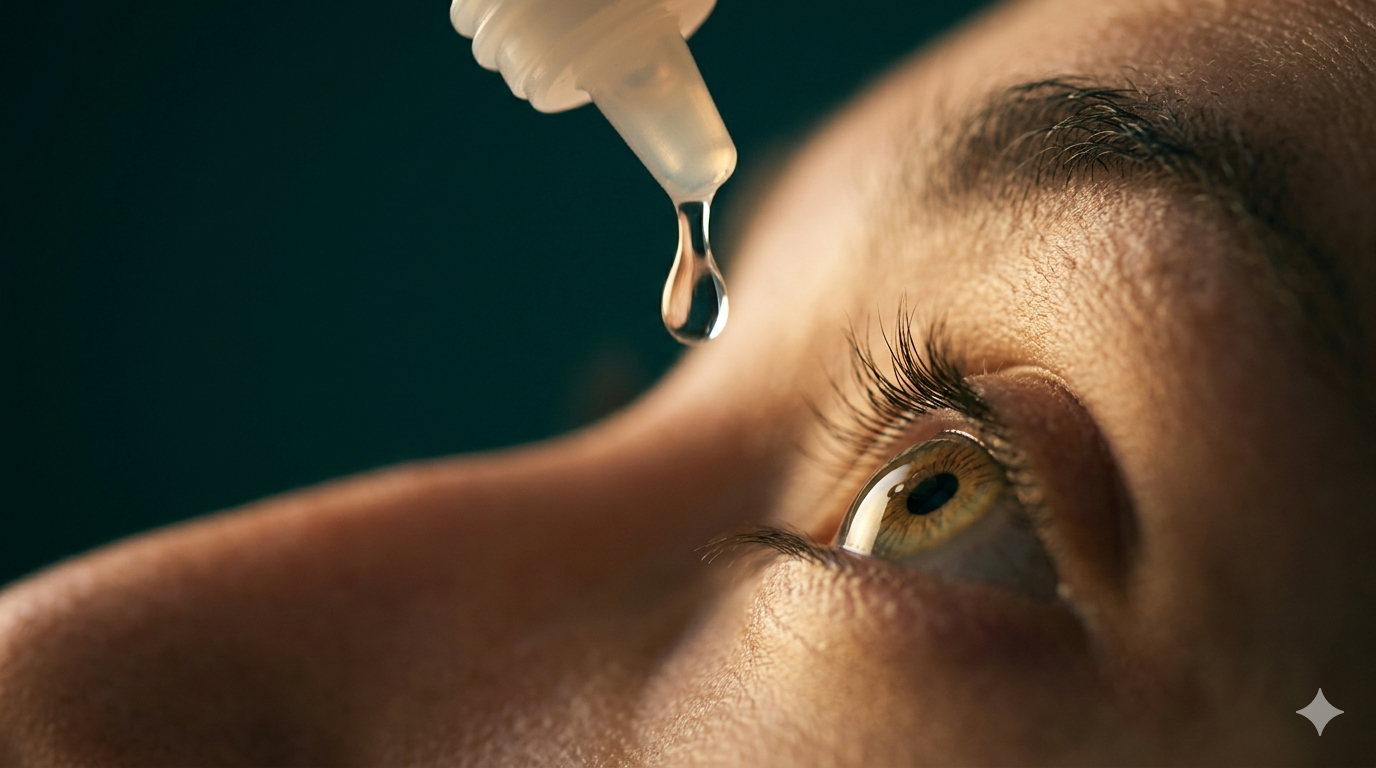
How do I use eye drops?
Always read the patient information leaflet that comes with your eye drops. It has important information about how to store and use your drops and about possible side effects.
It's common to find it hard to put in eye drops. There are lots of ways to put eye drops in, and lots of aids that can make it easier.
Top tips
Wash your hands before and after using your eye drops.
If you wear contact lenses, take them out before putting in your eye drops. After putting in your eye drops, wait 15 minutes before putting your contact lenses back in.
After putting in your eye drops, gently close your eye. With a finger, press lightly on the corner of your eye near your nose for a couple of minutes. This blocks your tear duct, and helps keep the eye drop in your eye where it's needed.
More than one kind of glaucoma eye drop? Wait 5 minutes between each one.
Glaucoma drops and dry eye drops? Wait 15 minutes between each one.
You should go to follow-up appointments and routine eye tests.
Laser treatment
There are several laser treatments for glaucoma. Which laser treatment, if any, is right for you depends on the form and severity of your glaucoma. How long you've had glaucoma may also make a difference.
Laser treatment for primary open angle glaucoma
Selective laser trabeculoplasty (SLT) is a common treatment for primary open angle glaucoma (POAG). An eyecare professional aims a laser beam at your drainage channels (known as the trabecular meshwork) to help the flow of aqueous out of your eye. Most people find SLT painless. SLT takes around 10 minutes per eye, and is done at the eye clinic.
SLT may lower your eye pressure enough by itself, or you may need eye drops as well. If you need eye drops, you may need fewer than you'd have needed without SLT.
SLT typically lasts for a few years. After that the effect can wear off. When it stops working so well, you can usually have SLT again.
Laser treatment for primary angle closure glaucoma
Laser iridotomy is a common treatment for primary angle closure glaucoma. It's sometimes also used to prevent angle closure glaucoma in people who are at high risk of it.
An eyecare professional aims a laser beam at your iris to make a hole. This helps aqueous fluid flow through your eye, and helps to keep your drainage angle open. Laser iridotomy is done in an eye clinic.
Surgery
Most people with glaucoma will not need surgery. However, surgery can be an effective treatment, especially for people with more advanced or severe glaucoma.
Ask your doctors about the most important and common surgeries for glaucoma, and about which option is best suited to your situation.
Is it okay to drive with glaucoma?
Driving is important to many people, but you need to be safe on the roads.
Some warning signals that you want to consider:
Side vision loss
This may make it more difficult to see and react in time to avoid obstacles on the road, like other vehicles and pedestrians coming in from the side.
Sensitivity to lights
Are your eyes taking longer to adjust in bright sunlight or from headlight glare at night?
Blurred vision
This can make it harder to distinguish clear images and to see movement, such as passing cars or someone crossing the street.
If you are concerned that you may not be driving safely, there are several things you can do. Ask a family member or friend to drive with you.
Diet, exercise & daily life
Small, everyday choices can make a real difference to your eye pressure and general wellbeing.
Caffeine — consume in moderation. Too much caffeine can raise the pressure in your eye. For example, coffee drinkers risk increasing their eye pressures if they drink five or more strong cups each day.
What's good for general health is also good for glaucoma patients: a balanced diet, regular exercise, not smoking and not being overweight. Above all, there is no substitute for conventional treatments, because — unlike alternative or complementary therapies — these have been proven to work. Keep up with the drops and take your consultant's advice on what treatments you need.